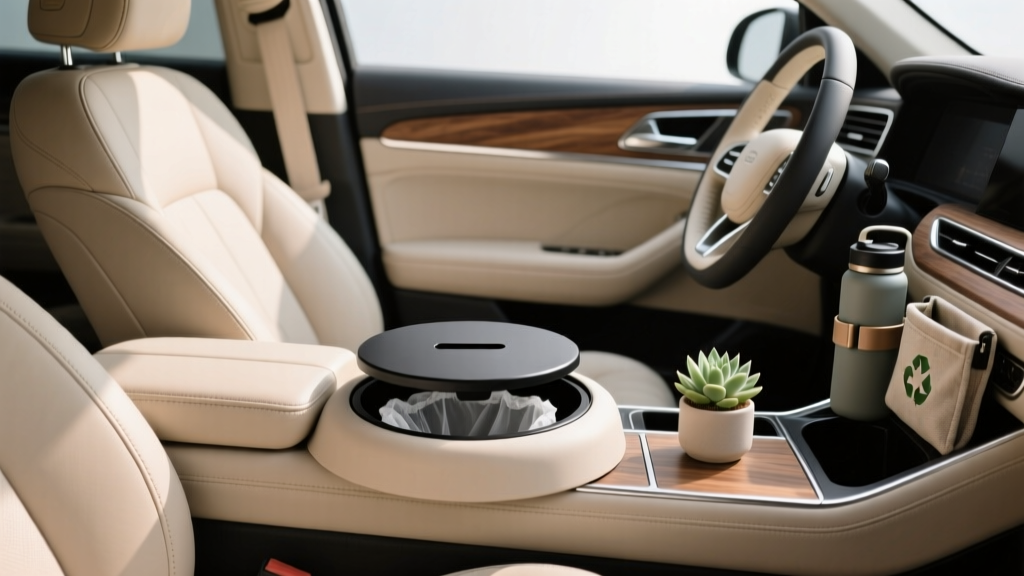
Eco-Friendly Trash Bin Alternatives for Cars (2026)
Every car collects trash?coffee cups, snack wrappers, parking receipts, tissues, straw papers, kids? craft leftovers. The question isn?t whether it happens, it?s what you do about it. Loose garbage sliding under seats isn?t just annoying; it can create odors, attract pests, and make your cabin feel permanently ?cluttered,? even after a quick wipe-down.
At the same time, most drivers don?t want to solve the problem with a cheap plastic bin that falls over, leaks, or ends up in a landfill. Eco-friendly trash management in a vehicle is really about smart integration: using durable materials, choosing reusable liners, avoiding disposable plastics, and placing the system where it?s stable and easy to use.
This guide walks through practical alternatives to traditional car trash cans?options that look clean, fit your interior, and reduce waste over the long term. You?ll get step-by-step setup tips, real-world use cases, product-style comparisons, and the common mistakes that cause spills, smells, and frustration.
What ?Eco-Friendly? Means for a Car Trash Solution
Eco-friendly doesn?t have to mean complicated or expensive. In the context of car interior organization, it usually comes down to four things:
- Durability: A bin that lasts years beats a flimsy one replaced every few months.
- Reusable or compostable liners: Less single-use plastic.
- Low-tox materials: Avoid strong chemical off-gassing in a hot cabin.
- Better hygiene: Fewer odors and spills means less need for harsh cleaners.
Think of it as a small system: container + liner + location + routine. If any one of those fails, the ?trash solution? becomes another problem to manage.
Integration Alternatives (Beyond the Usual Hanging Trash Bin)
1) Reusable Fabric Liner + Door Pocket or Seatback Pocket Setup
If your car already has deep door pockets or a solid seatback pocket, you can use that structure instead of adding a bulky bin. The eco-friendly piece is the liner: a washable pouch that holds dry trash (wrappers, receipts, napkins) without creating a plastic-waste habit.
Best for: Solo commuters, rideshare drivers who empty trash daily, anyone avoiding food/liquid waste in the cabin.
Recommended materials:
- Waxed canvas (durable, easy to wipe)
- Recycled PET felt (lightweight, holds shape)
- Organic cotton duck (washable, less water-resistant)
Step-by-step setup:
- Choose a liner size that fits your pocket depth (typical: 2?4 liters). Too tall and it flops; too short and it disappears.
- Add a stiffener (optional): a thin sheet of recycled plastic board or cardboard inside a stitched sleeve helps it stay upright.
- Dedicate one pocket as ?trash only.? Label it mentally?no charging cables or sunglasses mixed in.
- Keep a mini clip (binder clip or small carabiner) to close the top if you drive with windows down.
- Empty daily into your home bin or a public receptacle?this system works best with frequent dumping.
Real-world example: A commuter keeps a waxed canvas pouch in the passenger door pocket for receipts, gum wrappers, and coffee sleeve. It gets emptied every evening, and the pouch is wiped once a week with a damp cloth.
2) Center Console Insert with Compostable Liner (Dry-Waste Only)
Many vehicles have a deep center console that becomes a ?junk drawer.? A removable insert?ideally made from recycled plastics or bamboo composite?turns it into a controlled waste spot without adding another object rolling around the cabin.
Best for: Drivers who want a hidden, tidy solution and typically generate small, dry trash.
How to do it well:
- Choose an insert that fits snugly so it doesn?t rattle.
- Use compostable liners only for dry waste (they can break down early if wet).
- Add a silicone or natural rubber base pad to prevent sliding and reduce noise.
Step-by-step setup:
- Measure your console: length, width, and depth at the narrowest point.
- Select a modular insert with a trash compartment (or a small open box).
- Line it with a compostable bag or a washable cloth liner.
- Place a small ?odor catcher? nearby (baking soda sachet or activated charcoal pouch) if you toss napkins.
- Empty 2?3 times a week (more often in summer).
3) Rigid Bin Made from Recycled Plastic + Washable Liner (Best All-Around)
If you want a traditional bin without the disposable vibe, choose a rigid container made from recycled plastics (or bio-based polymers) and pair it with a washable liner. This hybrid approach reduces single-use bags and holds up to real use.
Best for: Families, frequent road-trippers, anyone who needs structure and capacity.
What to look for:
- Leak-resistant inner surface (even if you aim for dry trash, spills happen)
- Wide opening for easy use from front seats
- Stability features: flat base, hook-and-loop panel, or seat-rail strap
- Removable liner that?s machine washable
4) Under-Seat Slide-Out ?Trash Tray? Using a Repurposed Container
A clever eco-friendly move is to repurpose an existing durable container?like a small metal tin or a sturdy food-grade box?and mount it as a slide-out tray under a seat. It stays out of sight, doesn?t clutter the cabin, and is less likely to tip.
Best for: Minimalists, drivers who hate visual clutter, vehicles with adequate under-seat clearance.
Step-by-step setup:
- Check clearance under the passenger seat (avoid blocking seat wiring, vents, or seat movement).
- Choose a container with a secure lid (metal tin or rigid container with snapping top).
- Add grip: stick a natural rubber shelf liner to the bottom to prevent sliding.
- Create a ?pull tab? using a short strap or recycled webbing so you can pull it out easily.
- Use a washable liner or keep it ?dry waste only? with occasional wipe-downs.
Tip: This setup shines for receipts, wrappers, and tissues. Avoid wet food waste unless your container seals tightly.
5) Headrest-Mounted Bag (But Make It Sustainable)
Headrest-hanging trash bags are popular because they?re easy for rear passengers. The eco-friendly alternative is choosing a bag made from recycled materials with a washable or replaceable liner, rather than thin vinyl that cracks and peels.
Best for: Families with kids, carpools, ride-share drivers.
Features that actually matter:
- Adjustable straps that don?t chew up leather or fabric headrests
- Structured opening (so kids can use it without touching everything)
- Bottom reinforcement to prevent sagging
- Easy-remove liner (snap-in or drawstring)
Choosing the Right Option: Quick Comparison
- Best for dry trash only: fabric liner in a pocket, console insert, under-seat tray
- Best for mixed trash (including occasional sticky mess): rigid recycled bin + washable liner
- Best for families: headrest-mounted sustainable bag or a stable floor bin
- Most ?invisible? setup: under-seat slide-out container
- Easiest to empty daily: door pocket liner or headrest bag
Eco-Friendly Liners and Odor Control That Work in Real Cars
Reusable liner options
- Machine-washable polyester (recycled PET): tough, dries quickly, good odor resistance
- Waxed canvas: wipeable, durable, looks upscale
- Silicone liner: best for spills, rinses clean, long lifespan
Compostable bags: when they make sense
Compostable liners can be a good middle ground, but they?re not magic. Use them when:
- You mostly toss dry items
- You empty frequently (every 1?3 days)
- You don?t leave the car baking in heat with wet trash inside
Natural odor control methods
- Activated charcoal pouch: great for lingering smells; recharge in sunlight if the brand allows it
- Baking soda sachet: cheap and effective; replace monthly
- Essential oil on a cotton pad (sparingly): place near, not inside, the bin; avoid overpowering scents
Step-by-Step: Build a Simple Eco-Friendly Trash System in 15 Minutes
- Pick one location based on who creates the trash:
- Solo driver: door pocket or console
- Kids in back: headrest-mounted
- Road trips: stable floor bin or rigid bin behind console
- Select a container style from the alternatives above (aim for 2?6 liters for most cars).
- Add a liner strategy:
- Washable liner if you want the lowest waste long-term
- Compostable liner if you need quick swaps (dry waste)
- Stabilize it so it won?t tip:
- Hook-and-loop strip on carpeted surfaces
- Seat-rail strap
- Rubber anti-slip mat under the bin
- Create a routine:
- Empty at every fuel stop or once a day at home
- Wipe weekly; wash liner monthly (or more in summer)
Product-Style Recommendations (What to Shop For)
Rather than pushing a single ?best car trash can,? shop by features and materials. Here are reliable categories that tend to perform well:
Option A: Recycled-fabric hanging bag with washable liner
- Look for: recycled PET fabric, reinforced seams, removable liner, adjustable straps
- Why it?s eco-friendly: durable bag + washable liner = fewer disposable bags
- Who it fits: families, ride-share, frequent passengers
Option B: Rigid recycled-plastic bin with lid + silicone or washable insert
- Look for: stable base, easy-to-clean interior, secure lid, mounting method
- Why it?s eco-friendly: long life and minimal reliance on single-use liners
- Who it fits: road trips, daily drivers who snack in the car
Option C: Minimalist pocket liner (waxed canvas or felt)
- Look for: stiffened opening, wipeable fabric, compact size
- Why it?s eco-friendly: uses existing storage; tiny footprint; washable
- Who it fits: commuters, clean interior enthusiasts
Common Mistakes to Avoid
- Using compostable bags for wet trash and leaving them in a hot car. They can weaken fast, especially with condensation and heat.
- Placing the bin where it interferes with pedals or seat tracks. If it can slide forward, it can become a safety hazard.
- Choosing a bin that?s too small for your routine. A tiny bin overflows and becomes ?trash around the bin.?
- Skipping stabilization. Even the best bin is useless if it tips on the first on-ramp.
- Mixing food waste with paper. That?s how you get odors, leaks, and sticky cleanup. If you eat in the car often, pick a sealed container and empty frequently.
- Relying on heavy fragrance to ?fix? smells. It usually creates a perfumed trash smell. Use charcoal/baking soda and better emptying habits instead.
FAQ: Eco-Friendly Car Trash Solutions
What?s the most eco-friendly trash bin option for a car?
A durable bin you?ll keep long-term, paired with a washable liner, is typically the most eco-friendly. It reduces single-use bag consumption and avoids replacing cracked vinyl or flimsy plastic bins.
Are compostable trash bags a good choice for cars?
They can be?if you mainly toss dry trash and empty the bin often. For wet waste (half-finished drinks, food scraps), compostable bags can break down early and leak, especially in summer heat.
How do I keep my car trash bin from smelling?
Use a liner you can remove and wash, empty frequently, and add a charcoal pouch or baking soda sachet near the bin. Also separate ?wet? items (like food) and don?t let them sit overnight.
Where should I place a trash bin so it?s safe?
Good spots include behind the center console, in a door pocket (for small dry waste), or secured to the passenger seatback. Avoid placing anything that can slide into the driver footwell or block seat rails.
What?s the best solution for families with kids?
A headrest-mounted bag with a structured opening and a removable washable liner is usually the easiest. Kids can reach it, and you can empty it at every stop without trash spreading across the back seat.
Can I repurpose something I already own as a car trash container?
Yes. A rigid container with a tight lid (metal tin, durable food-grade box) works well, especially under-seat or console setups. Add a washable liner or wipe it regularly, and secure it so it won?t slide.
Conclusion: A Cleaner Cabin with Less Waste
The best eco-friendly trash bin integration isn?t about buying the trendiest accessory?it?s about picking a setup that fits your driving habits and makes clean-up automatic. If you toss mostly receipts and wrappers, a washable pocket liner or console insert keeps things simple. If you?ve got kids or road trips, a stable recycled-material bin with a washable liner will save your sanity.
Next steps:
- Choose one location in your car where trash will always go.
- Pick a durable container (or repurpose one) and stabilize it.
- Commit to a realistic emptying routine?daily, every commute, or every fuel stop.
For more practical car interior upgrades, cleaning routines, and organization ideas, explore the latest guides on carinteriormix.com.